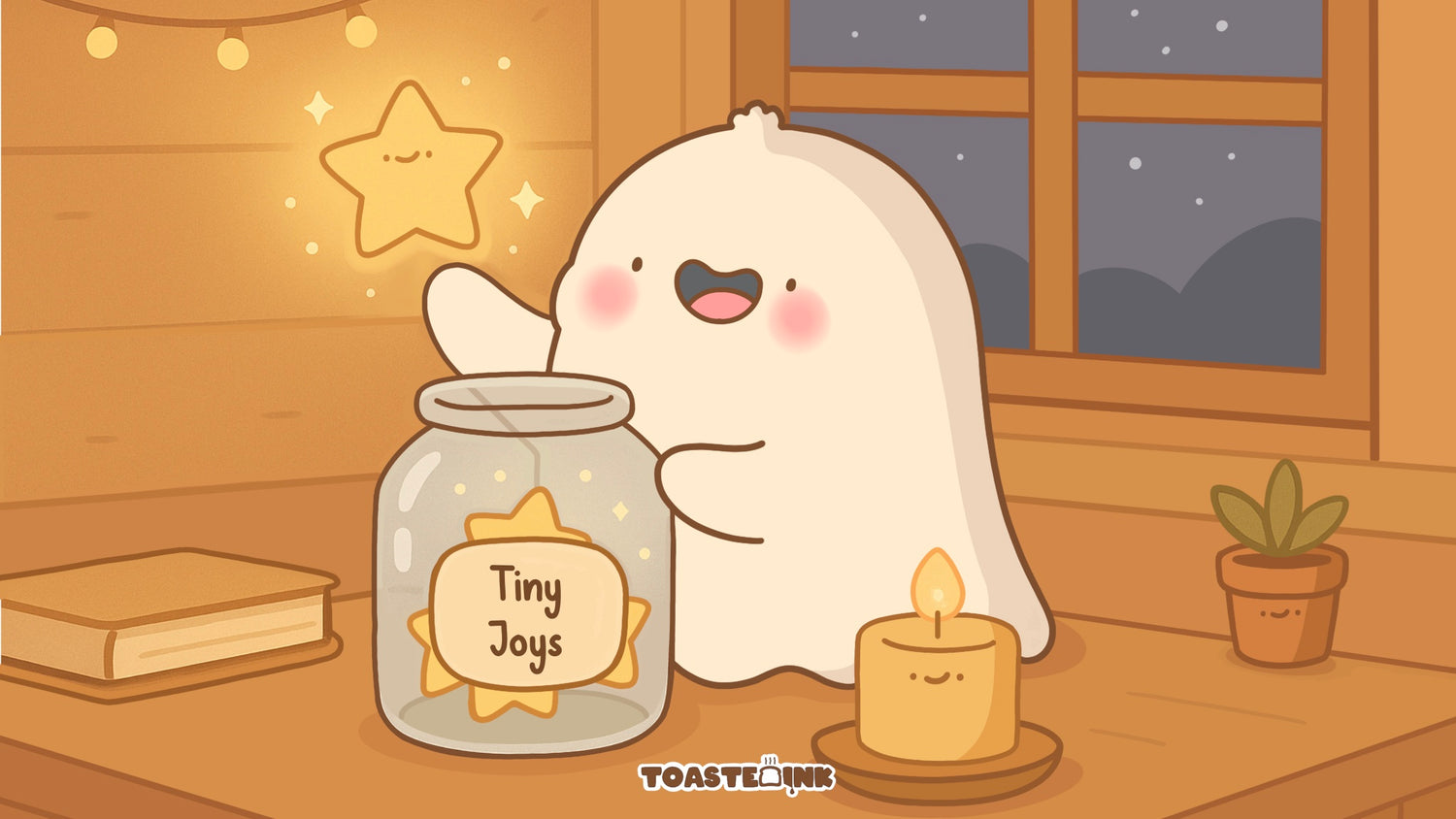
Sometimes happiness doesn’t arrive as fireworks or grand milestones - it tiptoes in softly.
It’s the first sip of tea on a cold morning, a text from someone you love, or the sunlight that catches your notebook just right. These are your tiny joys - fleeting moments that make ordinary days shimmer a little brighter.
In a world that constantly tells us to do more, achieve more, and be more, it’s easy to overlook the small, beautiful things that already make our lives meaningful. But psychologists are discovering something powerful: tiny joys don’t just make us feel good - they rewire our brains for long-term wellbeing.
Let’s explore why these small bursts of happiness matter so deeply, and how to start noticing (and nurturing) more of them in your everyday life.
The Science of Tiny Joys
In positive psychology, researchers often talk about “micro-moments of joy.” These are brief experiences that create feelings of delight, gratitude, or connection - even if they last just a few seconds.
According to Dr. Barbara Fredrickson’s Broaden-and-Build Theory, small positive emotions expand our awareness, creativity, and resilience. Each tiny joy builds upon the last, forming a foundation of emotional strength.
In simple terms: “Little joys add up to big happiness.”
Every time you smile at a stranger, hear your favourite song, or smell fresh paper from a new notebook, your brain releases dopamine - a chemical messenger that reinforces positivity and motivation. Over time, this trains your brain to notice more good moments naturally. So when life feels heavy, tiny joys act like little lanterns, guiding you gently back to light.

Why Little Things Matter More Than We Think
Big goals and milestone moments are exciting, but they can also be draining because they require so much time, energy, and emotional build-up. In reality, it’s not the grand events that shape our overall wellbeing - it’s the quiet rhythm of small, consistent pleasures woven through our days.
Think of your mood like a gentle garden: it doesn’t need one enormous bloom to feel vibrant; it needs tiny wildflowers scattered throughout the week to keep it alive and colourful. Psychologists describe this through the idea of the “hedonic treadmill” - our tendency to quickly adapt to major achievements, purchases, or life changes, causing their emotional impact to fade faster than we expect. But small, everyday joys are different; they create ongoing bursts of happiness that replenish our mood in ways that are sustainable and long-lasting. A short walk where you notice something beautiful, making your bed with slow intention, sending someone a kind message, listening to a favourite playlist while you work, or jotting down a moment that made you smile - these simple habits may seem small, but that’s exactly where their magic lies. They’re accessible, repeatable, and always ready to lift your mood, no matter what kind of day you’re having.
How to Notice Tiny Joys in Everyday Life
Tiny joys slip past us when our minds are busy racing between tasks, plans, and worries. They’re always there - quiet, gentle, waiting - but we’re often moving too fast to notice. The key is to slow your pace just enough to let these small moments catch your attention. One of the simplest ways to do this is by practising a soft, sensory “Five Senses Check-In” - a grounding pause that gently brings you back into your body and into the present. Whenever your day feels blurry, stop for a moment and ask yourself: What can I see that feels lovely or calming? What can I hear that soothes me? What can I smell that’s warm or comforting? What can I touch that feels soft or grounding? What can I taste that brings a little spark of joy? This simple mindfulness ritual helps silence the noise of autopilot living and opens your awareness to the little details that make your world feel sweeter. With time, your brain becomes better at spotting these moments automatically- turning everyday life into a quiet collection of tiny joys.
Keep a “Joy Journal”
At the end of each day, write down three small moments that made you smile - a stranger’s kindness, a warm mug, a funny conversation. Over time, your brain starts scanning for more good things to record, creating a positive feedback loop.
Use Visual Reminders
Surround your space with visual cues - a cheerful sticker, a card with an uplifting quote, or a pastel pen that makes you smile when you use it. These tiny prompts help anchor joy into your daily routine.
The Ripple Effect of Kindness and Connection
One of the loveliest parts of tiny joys is how contagious they are. A smile shared, a kind word offered, or a thoughtful gesture doesn’t end with you - it ripples outward.
Studies show that performing small acts of kindness boosts not only the receiver’s mood but also the giver’s. It strengthens connection, empathy, and belonging - three cornerstones of wellbeing.
Try this:
- Leave a note of encouragement on a colleague’s desk.
- Compliment someone sincerely.
- Send a friend a postcard just because.
- Buy a hot drink for the person behind you in the queue.
You never know how deeply one small act might brighten someone’s entire week. And just like that - your tiny joy becomes theirs.

Finding Joy in the Mundane
Not every day will feel exciting, and not every season of life will be gentle - but joy has a beautiful habit of hiding in the most ordinary corners of our routines. It shows up in the soft clink of a teaspoon, the smell of fresh stationery, the warmth of familiar objects, or the quiet hum of an evening that asks nothing of you. When you begin to see the mundane as meaningful, your world expands in subtle but transformative ways. Everyday tasks can become comforting rituals when paired with small pleasures - folding laundry while listening to soft music, lighting a candle before you work, or keeping a tiny item on your desk that makes you smile. Even celebrating small wins, like finishing a chapter or tidying a space, can turn an average day into something gentler and more fulfilling. Joy doesn’t need to be chased; it’s already woven into the details of your life. You simply have to slow down long enough to notice it.
The Role of Gratitude in Everyday Happiness
Gratitude and tiny joys are best friends. Each enhances the other. When you take time to recognise what’s going right - no matter how small - your brain learns to seek out more moments worth celebrating. It’s not about ignoring hardships; it’s about creating balance between life’s chaos and its quiet beauty.
Start small:
- Write down one thing you’re grateful for before bed.
- Say “thank you” out loud - even when no one’s around.
- Create a gratitude jar: drop in a note whenever something good happens.
At the end of the month, read them back - it’s like opening a box of sunshine.
The Aesthetic of Joy
Did you know colour and shape can influence happiness? Psychologist Ingrid Fetell Lee, in her research on The Aesthetics of Joy, found that playful visuals - round shapes, bright colours, whimsical patterns - naturally lift our spirits. So yes, that pastel pen, cheerful sticker, or cute notebook really does boost your mood!
Surrounding yourself with joyful design cues creates an environment that subtly supports positivity.
Ideas for your own “joy aesthetic”:
- Choose stationery in colours that make you feel calm or inspired.
- Add artwork that reminds you of warmth and kindness.
- Keep a small shelf or wall corner for things that spark smiles - like pins, photos, or plushies.
Your space becomes an emotional mirror - one that gently reflects happiness back at you.
Slow Living and the Joy of Doing Less
Tiny joys flourish when life slows down enough for you to actually notice them. When your schedule is overflowing, happiness doesn’t have space to land - your mind is too crowded for the soft, quiet moments that make life feel gentle. Slow living isn’t about doing less for the sake of it; it’s about doing things more intentionally, more beautifully, and with far less rush.
Instead of multitasking, give yourself permission to focus on one thing at a time and let it have your full presence. Savour your breaks rather than scrolling through them - step outside, breathe deeply, or simply sit with a warm drink. Ease into your mornings with softness, maybe lighting a candle or enjoying your favourite mug before the day begins. Then end your evenings with a moment of quiet reflection instead of a mental to-do list. When you create these small pockets of slowness, the world opens back up to you, and tiny joys - once hidden in the blur - become wonderfully easy to see.
How Tiny Joys Build Resilience
Tiny joys might seem fleeting, but their impact is lasting. Regular positive emotions help buffer stress, lower anxiety, and strengthen emotional resilience. It’s not that small joys erase sadness - they simply remind you that happiness still exists alongside it.
When you practice noticing and creating moments of joy, your mind becomes more balanced, more compassionate, and better equipped to handle life’s ups and downs.
So the next time something lovely happens - a warm breeze, a good conversation, a delicious cup of tea - take a second to let it linger. You’re not just enjoying it; you’re retraining your brain for joy.
Turning Tiny Joys Into a Daily Ritual
To truly feel the magic of tiny joys, it helps to weave them gently into the rhythm of your day - not as chores or “self-improvement tasks,” but as soft little rituals your heart naturally drifts toward. Think of them as micro-moments of comfort that anchor you, calm you, and remind you that happiness often lives in the smallest details.
In the morning, set the tone by noticing one thing you’re genuinely looking forward to, no matter how simple - a warm drink, fresh air, a cosy outfit, a favourite scent. Midday, pause for a tiny joy reset: stretch your shoulders, listen to a song that lifts you, or step away from your screen for a deep breath. And in the evening, slow down long enough to reflect on three small joys that brightened your day: a kind message, a peaceful moment, a taste you loved, a laugh you didn’t expect. These rituals may only steal a minute or two, but the emotional return is huge - they gently retrain your brain to see the good, soften stress, and create a quiet, enduring happiness that follows you everywhere.
Conclusion: Little Things, Big Heart
Happiness isn’t a finish line - it’s a collection of small, shining moments strung through ordinary days. The joy in your favourite pen, your afternoon tea, or a kind word shared - those are the details that give life its colour.
So this week, let yourself slow down, look up, and notice the softness that’s always been there. The more you see it, the more it grows. Because life doesn’t need to be grand to be beautiful - it just needs to be real, gentle, and full of tiny joys.
If you’d love to fill your days with even more joy, explore our cute stationery and feel-good gifts. From whimsical notebooks for your gratitude lists to adorable greeting cards that spread kindness, each piece is lovingly designed to make life’s little moments feel magical.