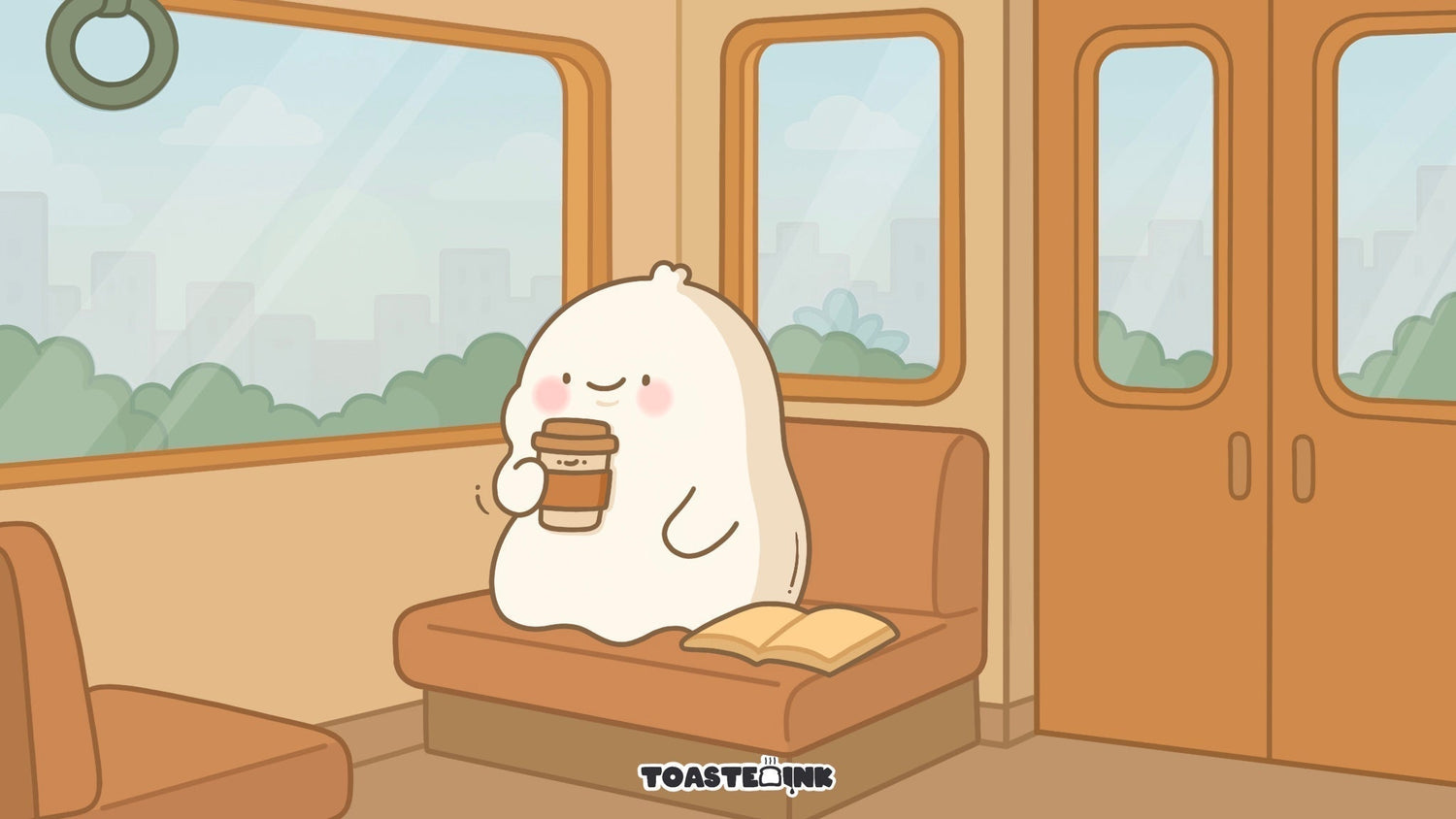
Every morning, the world stirs to life in small, familiar ways. Kettles whistle, buses hum, and the air smells faintly of coffee and cold air. Some people lace their boots and head out under a pink sunrise; others squeeze onto trains or weave through traffic with music in their ears.
It’s a rhythm we rarely think about - our commute. That stretch of time between home and work, between comfort and ambition, between the world we rest in and the one we show up for.
Most of us think of it as an in-between space. Something to get through before “real life” begins. But what if this overlooked part of your day quietly holds the key to your happiness, creativity, and even how you feel about your career?
Let’s take a little ride through the research, the reflections, and the quiet beauty of your daily journey - and see why the way you travel might matter more than you think.
The Hidden Link Between Commute and Wellbeing
Scientists have been studying the connection between commuting and happiness for years - and the results might make you rethink your route.
A study from the University of the West of England found that every extra 20 minutes added to your commute can impact your overall life satisfaction almost as much as taking a pay cut. Long, stressful journeys can raise stress hormones, shorten sleep, and leave you drained before your day even begins.
But before we all start wishing for teleportation, here’s the uplifting part: it’s not just about how long your commute is - it’s about how it feels.
Two people could spend the same 45 minutes travelling and experience completely different days. One might stare anxiously at the clock, checking emails and feeling rushed before work even starts. The other might sip coffee, listen to a favourite podcast, and watch sunlight ripple through the window. Happiness isn’t hidden in the distance between your house and your desk - it’s in the rhythm of the journey itself.

Turning Transit Time Into “You Time”
In our fast-paced world, it’s easy to treat the commute like a countdown. But if you think about it, those minutes belong entirely to you. No one’s emailing you (yet). No one’s asking for anything. It’s just you and the road, or the carriage, or the quiet hum of your thoughts.
You can make this time feel like a pocket of peace instead of a prelude to chaos. Bring your favourite drink. Listen to music that lifts your mood. Read a chapter of something gentle. Or simply let your eyes wander out the window and notice the small, beautiful things - the fog on the glass, the trees passing in rhythm, the strangers half-awake and half-dreaming.
Think of your commute as a soft bridge - one that eases you into the day instead of throwing you into it. Those who approach it with mindfulness often find they arrive calmer, more creative, and far more ready to shine when they sit down to work.
Commuting and Creativity
Here’s something magical: your commute might be sparking your best ideas without you even realising it.
Researchers call it the incubation effect - when you let your mind wander, your brain quietly works through problems in the background. That’s why people often say their best ideas come during walks, showers, or yes, commutes.
So, when you’re staring out a train window or driving through sleepy streets, don’t feel guilty for daydreaming. You’re giving your creativity space to breathe. Maybe the next big idea for your business, your art, or your personal life will float in somewhere between one stop and the next.
The Emotional Bridge Between Home and Work
Your commute doesn’t just move your body - it moves your mind, too. It’s a transition between two worlds: the gentle familiarity of home and the structured pace of work.
That little slice of travel time helps us adjust emotionally. It lets the mind prepare for what’s ahead or unwind from what’s passed. Without it, the boundaries blur, and you can end up carrying home stress to your desk or work tension into your rest.
Even if you work remotely, you can still create a mini “commute.” A short morning walk, lighting a candle before opening your laptop, or journaling for five minutes can help you cross the bridge between roles.
Think of it as giving your brain a small bow - saying, “Thank you for what’s next. Let’s begin gently.”
When the Commute Feels Hard
Of course, not all journeys sparkle. Delays happen. Rain pours. Sometimes the train smells faintly of last night’s chips and your to-do list feels louder than your playlist.
On those days, gentleness is key. You don’t have to romanticise every moment - just find one small thing that makes it softer. Maybe it’s a comforting scent (a spritz of perfume or a favourite hand cream). Maybe it’s the ritual of buying a croissant from the same café each morning. Maybe it’s your “commute playlist,” filled with songs that make your heart feel like sunshine.
And if nothing else, there’s comfort in routine itself - that reassuring rhythm of leaving, travelling, arriving. It’s a reminder that life is always moving, and so are you.
The Commute-Career Connection
Here’s something not many people consider when they think about career happiness: the route that gets you there every morning.
You can love your job, your team, and your purpose - but if every day begins and ends in exhaustion, even joy starts to wear thin. The commute shapes how you feel before you start working and how much peace you have when you stop.
This doesn’t mean everyone should chase short commutes. Sometimes a longer one gives you precious thinking time or moments of solitude. The key is how the journey fits into your life. A long drive through scenic countryside might feel restorative. A short but frantic train dash might feel draining. Pay attention to how you feel when you arrive and when you get home. Your body will tell you whether your routine truly supports your wellbeing. When people talk about “work-life balance,” this is part of it. It’s not just what you do from nine to five - it’s how your days begin and end.

Finding Joy in the In-Between
Happiness doesn’t always arrive with grand moments. Often, it sneaks in quietly - through the smell of coffee on a cold morning, the sound of a podcast host who feels like a friend, the way the world looks different each day on your route.
The commute is one of life’s built-in pauses. It’s a natural moment to notice, reflect, and breathe. It’s where you can dream about the day ahead or let the one that’s passed gently fade behind you. Try to notice one lovely thing each time you travel - the person reading a book you love, the rhythm of raindrops on your window, the warm seat on a cold morning. Collect these moments like souvenirs of stillness. Because happiness isn’t always about changing where you’re going. Sometimes it’s about how you get there.
Conclusion - The Toastedink Takeaway
Your commute, however ordinary it seems, is part of your life’s story. It’s where your thoughts wander, your dreams begin to take shape, and your day both starts and ends.
So maybe it’s not just a trip from A to B - maybe it’s a gentle, daily reminder that life itself is a journey. You don’t need to rush through it. You can sip it slowly, song by song, station by station, sunrise by sunrise. Let the journey be part of your joy.
If you’d like to make your commute a little brighter, explore our cute stationery and travel-friendly notebooks They’re perfect for jotting down morning reflections, podcast ideas, or small moments of joy between here and there - because even your journey deserves a sprinkle of whimsy.